Scientific Insights into ihmc haptic Glove Development
Revolutionizing Hand Protection in Extreme Environments
Explore the groundbreaking research behind IHMC Haptic Gloves, designed to enhance dexterity and tactile sensitivity while ensuring maximum protection in the harshest conditions.
Enhanced Dexterity
IHMC Haptic Gloves are designed to maintain fine motor skills, crucial for intricate tasks in challenging environments.
Tactile Sensitivity
IHMC Glove innovations offer users superior touch feedback that allows for precise manipulation of tools and objects.
The Role of Gloves in Extreme Conditions
Balancing Protection and Performance
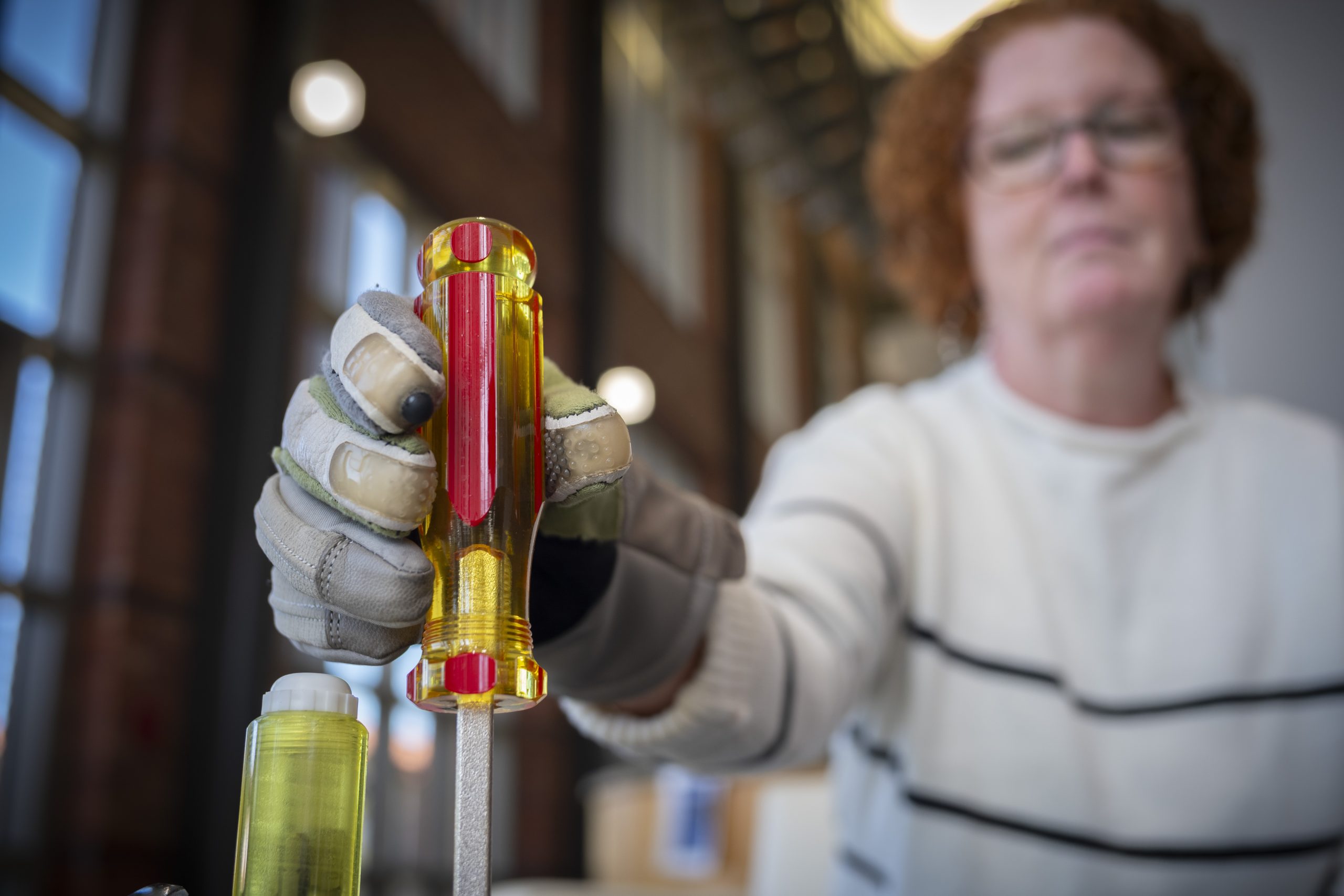
In extreme environments, gloves are essential for safeguarding hands against severe temperatures and hazardous materials. However, traditional gloves often compromise dexterity and tactile sensitivity, posing significant challenges for operators. The need for a solution that offers both protection and performance is what lead to IHMC's research into glove ergonomics. Operators must perform delicate tasks with precision without sacrificing safety.
Understanding the Science Behind HAPTAC Gloves
How do traditional gloves affect dexterity?
Traditional gloves often reduce dexterity by limiting finger movement and decreasing the ability to perform fine motor tasks, which can be detrimental in critical situations.
What studies support the development of IHMC Haptic Gloves?
Research has shown that traditional gloves can impair tactile sensitivity and grip strength. Our research has led to the development of 2 key innovations that improve user capability.
Why is tactile sensitivity important in gloves?
Tactile sensitivity allows operators to feel and manipulate objects accurately, which is crucial for tasks requiring precision, such as handling tools or operating equipment in extreme conditions.
What are the benefits of haptic feedback in gloves?
Haptic feedback in gloves provides users with enhanced touch perception, allowing for better control and interaction with their environment, which is essential for maintaining operational efficiency and safety.
Developing Increased Tactile Sensitivity
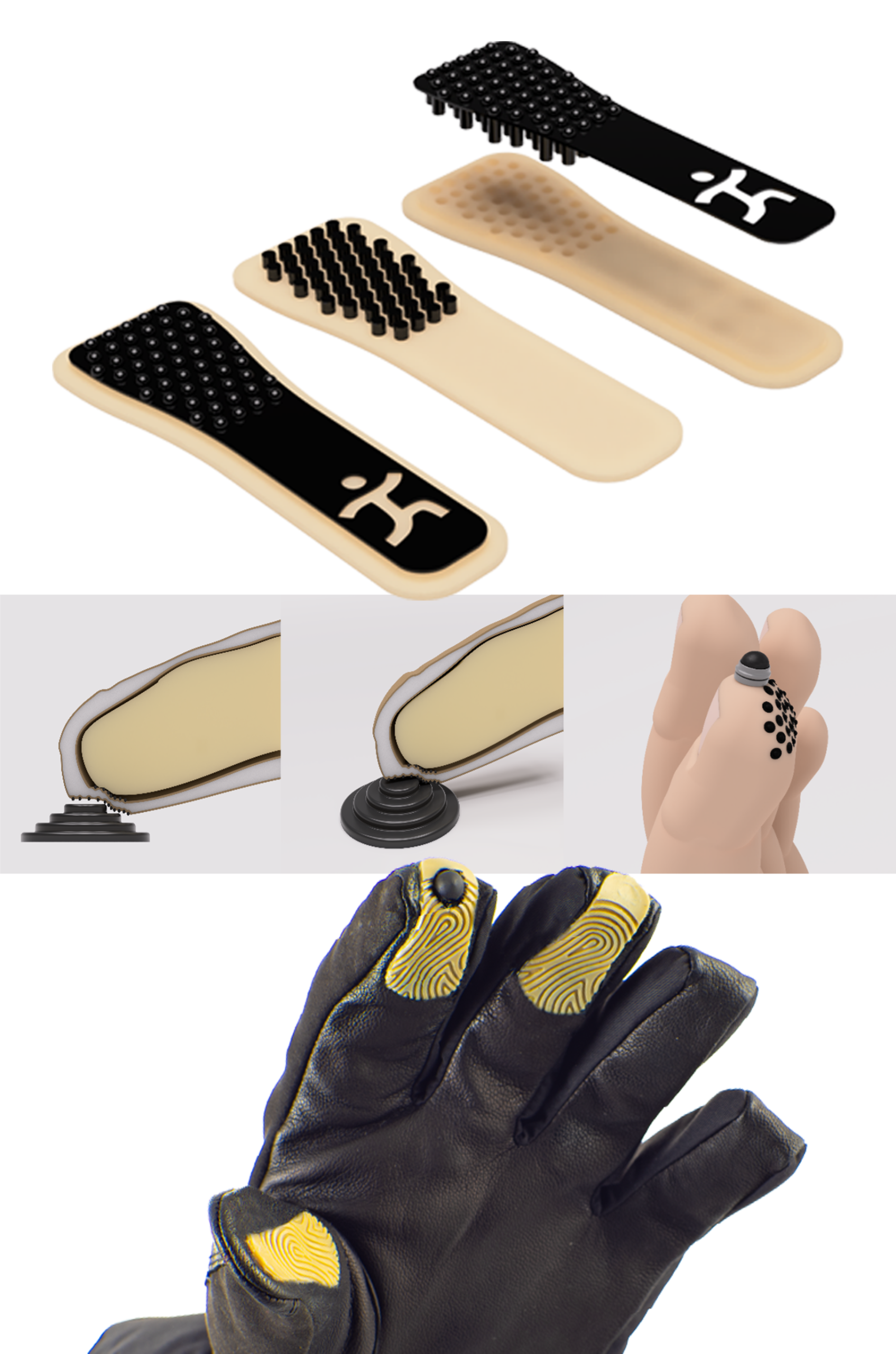
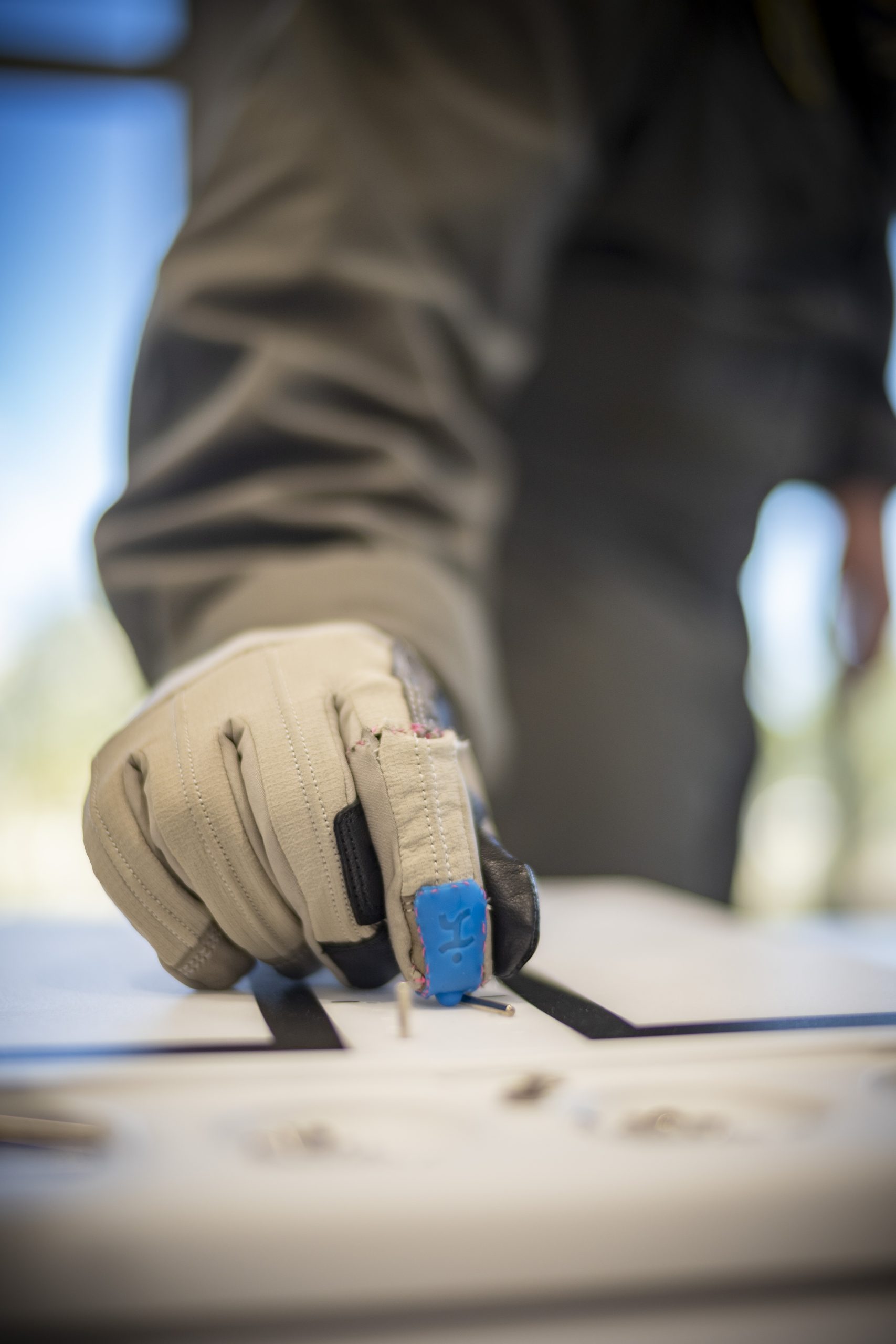
The Tactile NodeThe Tactile Node is the key technology behind IHMC Haptic Gloves. Fingertips and areas of the palm are outfitted with rubber pads that feature a series of nodes on the inside of the glove. Nodes are spaced within the range of nerve ending distribution in the fingertips and palms. This design inspired by the neuroscience of haptic perception means that pressure applied to different areas of the fingers and hands will give wearers pinpoint tactile feedback.
Digital Interface Capability
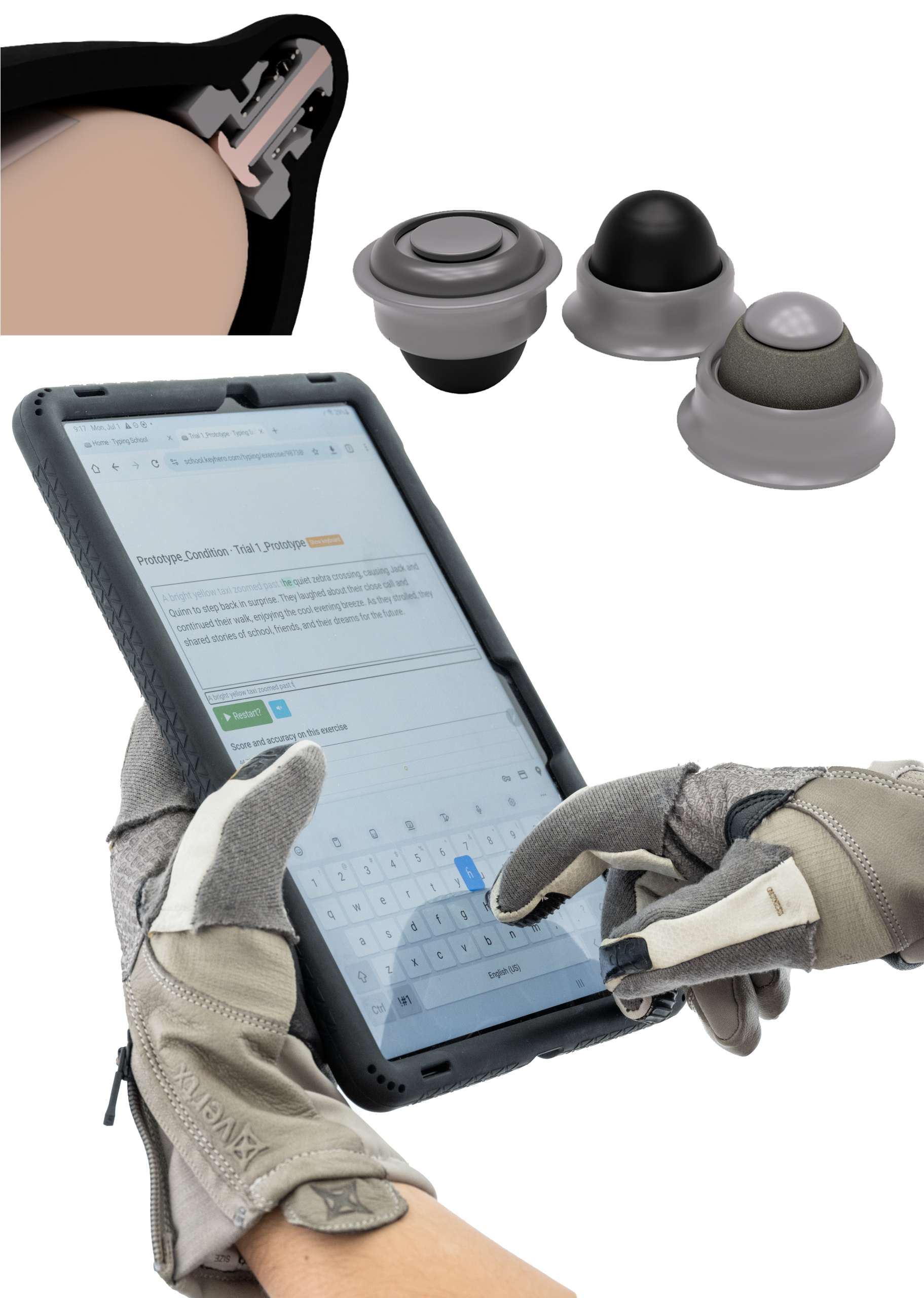
The Tactile SelectorThe Tactile Selector is a unique innovation in glove/touch-screen interface technology. Composed of a hard-conductive rod the Tactile Selector allows direct manipulation of touchscreens while transmitting haptic feedback to the user. Unlike other stylus gloves, the IHMC Tactile Selector provides near full-force haptic feedback for touch and pressure.
Measures of Manual Dexterity
The Purdue Pegboard TaskThe Purdue Pegboard task has been used in IHMC Glove research to assess operator manual dexterity. Participants in these studies were asked to place as many pegs in the holes of the board as possible within one minute. Participants were given this task under three conditions, bare handed, while wearing standard gloves, and while wearing IHMC Haptic Gloves. These findings demonstrated significant improvements in manual dexterity while wearing IHMC Haptic Gloves when compared to performance with standard gloves.
Impact of Gloves on Hand Performance
Dexterity
Studies show a 30% reduction in dexterity when using standard protective gloves in cold environments.
Operators report a significant decrease in fine motor skills, affecting task completion speed.
Enhanced glove designs can mitigate dexterity loss by up to 15%.
Research indicates a correlation between glove thickness and decreased tactile feedback.
Innovative materials can improve dexterity without compromising protection.
Tactile Sensitivity
Standard gloves reduce tactile sensitivity by approximately 40%.
Loss of sensitivity leads to increased task errors and longer completion times.
Advanced glove designs aim to preserve up to 70% of tactile feedback.
Operators frequently remove gloves to regain tactile sensation, increasing injury risk.
Haptic feedback technology can significantly enhance tactile interaction.
Injury Prevention
Gloves are crucial in preventing cold-weather injuries, such as frostbite.
Proper glove use reduces the incidence of hand injuries by 25%.
Studies highlight the importance of maintaining hand protection in extreme conditions.
Inadequate gloves are a leading cause of preventable injuries in cold climates.
Innovative glove designs can reduce injury rates by up to 30%.
Grip Strength
Traditional gloves can decrease grip strength by 20%.
Enhanced grip materials can improve handling of tools and weapons.
Operators report difficulty in maintaining grip with standard gloves.
Improved glove designs can restore up to 90% of natural grip strength.
Grip-enhancing technologies are crucial for operational effectiveness.
Muscle Activity
Gloves increase muscle fatigue due to additional effort required for tasks.
Operators experience a 15% increase in muscle strain when using traditional gloves.
Ergonomic glove designs can reduce muscle fatigue by 10%.
Fatigue impacts overall mission performance and effectiveness.
Innovative designs focus on reducing muscle strain during prolonged use.
Temperature Regulation
Gloves are essential for maintaining hand warmth in cold environments.
Proper insulation can prevent performance degradation due to cold exposure.
Advanced materials help maintain optimal hand temperature.
Cold-induced performance decline is a significant operational concern.
Temperature-regulating technologies enhance comfort and performance.
Environmental Adaptability
Gloves must adapt to diverse environmental conditions for optimal performance.
Multi-layer designs offer flexibility across different climates.
Operators require gloves that perform well in both wet and dry conditions.
Environmental adaptability is key to operational success.
Innovative designs provide versatility for various mission scenarios.
User Feedback
Operators report improved comfort with ergonomic glove designs.
User feedback highlights the need for enhanced tactile feedback.
Positive reviews focus on the balance between protection and dexterity.
Feedback-driven improvements lead to better glove performance.
Continuous user input is vital for ongoing product development.
Explore the Future of Tactile Precision
Join us in revolutionizing hand protection and dexterity. Discover how our cutting-edge research is transforming the way operators interact with their environment, ensuring unmatched precision and safety. Dive into the data and see the impact for yourself.
The Future of Gloves is Haptic